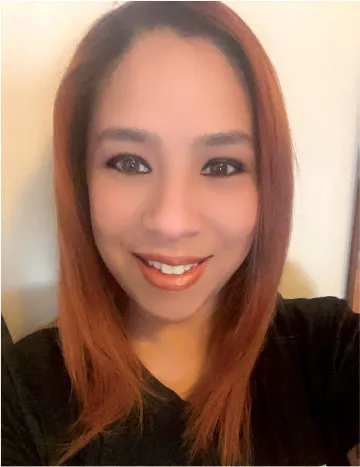
When I think about education growing up in Puerto Rico, I think back to my own experiences. I was a happy child. All my educators looked like me and spoke my language. I felt that I was part of a community. I knew that I wanted all children to have a similar experience. This is why I became an educator.
When I first arrived in the mainland of the United States, my own children felt alienated by a school system in which educators did not look like them, speak their language or understand their history and culture. They did not feel part of the larger school community. So, I volunteered in their school.
I quickly learned from other parents that my children’s experiences were common to the majority of the students in the school. If I wanted my kids to have a happy experience, like mine, I needed to do more. I became an ESP so that I could change the narrative for students of color and immigrants. I wanted to educate people that the value of representation is a sense of belonging, security and support. When people feel visible, accepted and included, it builds our power and creates change.
I want my students to look out and see themselves. My students in Worcester have the same barriers as my own kids. They are expected to fit into a school system that doesn’t represent them; they deserve more. They deserve to look out and see themselves represented in their educators.
My students face other structures of racism. Rigid curriculum and MCAS limit the imagination of our students and who they can be. Many have language, cultural and economic barriers that shut them out.
As an ESP, I share their experiences. And ESPs’ issues are students’ issues.
I have all that it takes to be a great educator. However, language, culture and economics are obstacles I face in passing the MTELs. We need to continue moving forward to change the requirements of MCAS, and also MTELs, so that students graduate and unionized educators like me can become classroom educators.
We must also win livable wages so that ESPs can achieve economic security. One job should be enough. When I look out, I see ESPs who speak the language of our students, and look like them, but who are too often treated with no respect. We must do better!!
When I think about an ideal union, I want to see leaders who look like me, not just as a token representation but in a position of leadership. We need mindful representation so we can understand our power and change not only public education but also our union to truly be an anti-racist union in both the outcomes and the way we win. We center those closest to the problem as decision-makers in the way we fight. Leaders should reflect our multiracial, cross-class ranks and education system.
These are the reasons I’m running for MTA vice president.