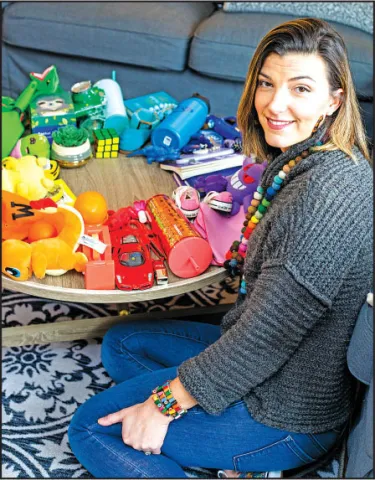
Nothing about this is normal." So said Easthampton High School math teacher Nellie Taylor, talking about public education in the coronavirus era.
Since schools and colleges were officially closed in mid-March, MTA members have been using words such as "anxiety," "stress" and "confusion" a lot, but they also refer to "community," "caring" and "students and their families."
At first there was a feeling of suspended animation. In a message to staff and parents, Lexington School Superintendent Julie Hackett quoted Mark Twain in calling for "a rightly timed pause."
It wasn’t clear when schools and colleges would reopen. Was this like an extended snow day, or something more serious?
Then the number of cases exploded. Colleges and universities effectively closed for on-site teaching as of the spring break in March. Governor Charlie Baker ordered all public schools to remain closed until at least May 4. This was definitely something more serious.
Moving instruction online proceeded quickly on higher education campuses, while planning for remote learning at the preK-12 level kicked into high gear after the Department of Elementary and Secondary Education released guidance on March 26. The MTA successfully advocated for it to prioritize students’ social and emotional health and to demonstrate respect for the expertise of educators.
"This is a worldwide health crisis," said Taylor, president of the Easthampton Education Association and a member of the MTA Board. "This is not business as usual, so don’t act as if it is. On top of the shock and grief that we all experience, it’s stressful to not be able to go to the side of others who are grieving. Above all, districts need to be humane."
Enacting the recommendations has been difficult and uneven. To bring some common sense to the process, MTA local leaders and field representatives have been moving mountains to negotiate — and renegotiate — agreements setting parameters for remote learning and protections for educators, including Education Support Professionals. Some of the discussions have centered on whether to work over April vacation week or extend the school year further into June and on establishing guidelines to protect student and member privacy in an online world.
Remote learning in preK-12 schools has been a giant experiment conducted with no preparation or notice. Issues to consider have included:
- How can districts ensure equitable education for students who have very different learning needs and unequal access to technology and support at home?
- How can districts address the needs of educators, many of whom have no experience with remote teaching and who may have their own challenges, including taking care of their own children or elderly relatives?
- How can districts strike the right balance between providing students with a connection to a caring adult and ideas about creative activities they can pursue without overwhelming them with too many demands?
Another looming concern is what resources school districts, colleges and universities will have in the future to make up for lost time and be better prepared for remote learning in the future, since no one knows when the coronavirus will be under control.
Public higher education is facing immediate challenges, including rising costs, a tighter state budget and hardship among tuition-and-fee-paying students. Campuses have been hemorrhaging money. They have had to refund students the cost of room and board while paying for additional cleanings, technology and equipment.
Even if the coronavirus crisis abates, enrollment could be down in the fall. Students and their parents who have lost jobs or had their savings hammered by the falling stock market may no longer be able to afford to attend. There are also long-range questions about whether colleges will try to save money by moving more instruction online, potentially damaging the personal relationships that are at the core of the educational experience.
Because the revenue loss from the crisis could have such a big impact on the state budget, the NEA, the MTA and many other organizations are pushing Congress to include more funding for public schools and colleges in the CARES Act, the massive federal stimulus bill that is being rolled out this spring.
MTA elected leaders have been answering questions on tele-town halls and in other forums. MTA staff have been working from hastily set up home offices to provide members with guidance and support, move the 2020 Annual Meeting of Delegates and other convenings to virtual platforms, and keep the wheels of the organization turning.
"This pandemic has exposed the gaping holes in our social safety net," said MTA President Merrie Najimy. "The union has been a source of protecting rights and benefits, connections, information and concrete action to support members and their students during these stressful times.
"It has become clearer than ever why unions matter," Najimy continued. "With just a few exceptions, MTA members are still being paid their salaries and wages. Their health insurance has been maintained. Their jobs are secure. Health and safety measures have been negotiated. Districts that initially set unreasonable expectations have been forced by the unions to pull back. We stand in solidarity with all the non-unionized employees across the country who do not have such protections.
"Our communities also benefit when unions have power," Najimy said. "Educator unions are uniquely situated to stand up for the common good. That means we are fighting for health insurance for our adjuncts and others who are uninsured, food and housing for students and families who are foodand housing-insecure, the suspension of evictions, student debt relief, and growing the movement to bring justice to our increasingly unequal society."
MTA members have been supporting one another, their students and their communities in a variety of ways.
From early on in Haverhill, for example, ESP Lynn Sullivan and teacher Judy Collins, who work together at Pentucket Lake Elementary School, have been meeting with their kindergarten class by computer every morning at 11. The daily meeting allows them to stay connected to their students, they said, and to make sure the students stay connected with each other.
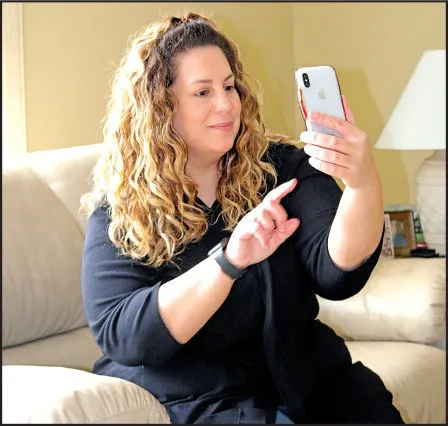
Collins said engagement is crucial for both educators and students. "I’m getting to see a little bit of their home lives. They’re showing us their pets, their toys, their siblings. The kids love it."
Sullivan, a building representative at Pentucket Lake and a member of the Haverhill Education Association contract negotiating team, said that despite having her work world thrown upside down by the pandemic, she is gratified to be able to offer the students a way to connect.
Here are just a few other ways MTA members have been demonstrating acts of kindness.
- Locals in Somerville, Medford, Brookline, Haverhill and elsewhere have set up or participated in "mutual aid" efforts through which residents can list what they need and volunteers can provide the help.
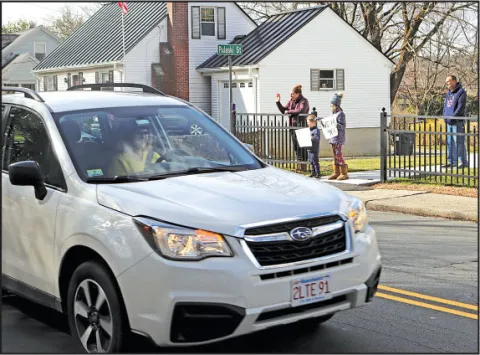
- Members in Clinton, Uxbridge and many other communities have been taking part in car parades to let their students know they are missed.
- Food service employees and custodians across the state are "essential workers" who have continued to prepare and package takeaway meals for students and keep the buildings clean.
- Northeast Metro Tech E-Board members have produced and delivered fruit baskets to members to let them know their efforts are appreciated.
- Staff in districts across the state delivered Chromebooks, mobile hotspots and other supplies to students so they could stay connected remotely.
- Guidance staff have been reaching out to students who have fallen off the radar and helping families connect with needed services.
- School nurses in Worcester gave supplies to a nearby hospital, while the local in Norton donated money to a community mutual aid group.
- Deb Gesualdo, the president of the Malden Education Association, has been holding regular Facebook Live conversations to keep members informed and connected.
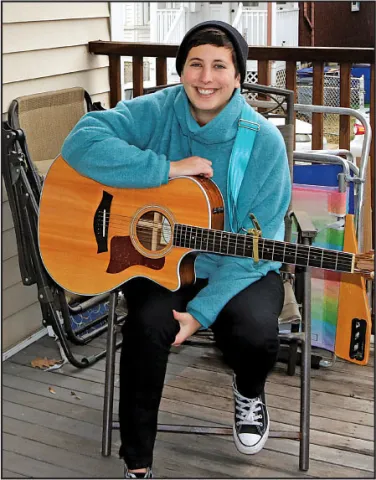
- Members are using video to connect with students and communities. Revere teacher Chelsea Brandwein-Fryar has performed "Quaran-Tunes" on her porch on Fridays to raise money for the local YMCA, while Lexington teaching assistant Amy Morin read a book online to her kindergarten students.
- Medford art teacher Suzanne Fee has found ways to stay connected to her McGlynn Middle School students. Working on Instagram, she is showing her students the wonders of the color wheel and displaying her artwork — and theirs.
Thousands of similar activities are taking place throughout the state. The MTA wants to hear stories of how members are coping during this unprecedented global pandemic and making a difference in the lives of students, fellow educators and their communities. To share your experiences, visit massteacher.org/coronastories.